Five Pillars of Excellence
Function Icon

Function

Lighting that supports the purpose of every space — visual comfort, task efficiency, and precise specifications tailored to each activity.
Atmosphere Icon

Atmosphere

Light defines mood and character. Warm, serene, dramatic, or luxurious — harmonizing with architecture and interior identity.

Experience Icon

Experience

Enhancing brand and spatial experience. From boutique retail and hospitality to premium residential, lighting makes spaces more photogenic, immersive, and memorable.

Value Icon

Value

Thoughtful lighting maximizes longterm value: reducing revisions, optimizing energy, and elevating the perceived quality of the environment.

Future-Ready Icon

Future-Ready

Lighting design considers how technology supports daily life — from automation and dimming to humancentric smart systems that elevate comfort, efficiency, and control.
Design Process

01

Preliminary Design

  • Understanding the project goals and client vision
  • Site visit & assessment of existing conditions
  • Identifying brand identity, mood, and user requirements
  • Collecting architectural, interior, and MEP information, including project timeline
02

Concept Design

  • Lighting design concept
  • Defining mood, tone, color temperature, and ambience and Exploring lighting scenarios (day, evening, feature lighting)
  • Fixture research
  • Creating conceptual fixture schedule
03

Schematic Design

  • Basic lighting calculation
  • Preliminary fixture schedule
  • Preliminary lighting plan
  • Preliminary lighting control system
04

Design Development

  • Lighting plans
  • Lighting control plan & schedule . Lighting details where applicable
05

Technical Document

  • Update and review lighting plan & schedule
  • Update and review fixture schedule with material list
  • Review mock up
  • Review price list
06

Construction Document

  • Review of construction drawings and documents
  • Respond to request for information from various parties
  • Periodic site visit
  • Inform client of progress on site
  • Designing the lighting scenes for all area in scope
07

Construction Monitoring

  • Monitor lighting works to ensure compliance with approved design and specifications
  • Verify lighting fixture type, location, and installation quality
  • Provide technical guidance and coordination during construction
08

Testing and Commisioning

  • Aiming and focusing of the lighting equipment
  • Work with the lighting control programmer to find tune the scene setting and brightness adjustment
09

Hand over

  • BAST
  • Summary of completed scope
  • Pending scope (if any)
  • Client acceptance signoff

"We ensure precision, mood, and efficiency — from concept to handover"

Fundamental Knowledge

Understanding the science behind great lighting design

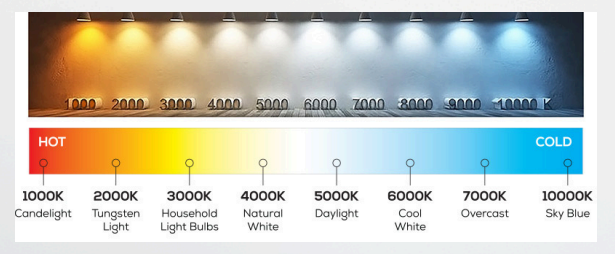
CCT - Correlated Color Temperature

CCT (Correlated Color Temperature) is a measurement that describes the color appearance of light produced by a light source — whether it looks warm (yellowish) or cool (bluish).

Key points:

  • Unit: Kelvin (K)
  • Lower CCT = warmer, yellow/orange light
  • Higher CCT = cooler, white/blue light
Color Temperature Scale (Kelvin)

CRI - Color Rendering Index

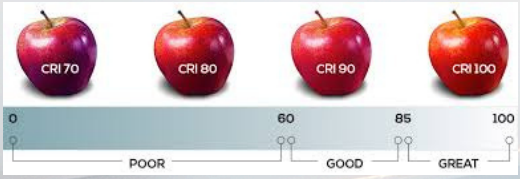
CRI (Color Rendering Index) is a measurement of how accurately a light source reveals the true colors of objects compared to natural sunlight.

Key points:

  • Scale: 0–100
    • CRI 100 = colors look very natural (same as sunlight).
    • CRI 80–90 = good for general lighting.
    • CRI 90+ = excellent for retail, art, makeup, hospitality.
  • Purpose: To evaluate color quality and how realistic objects appear under that light.
Color Rendering Index Scale

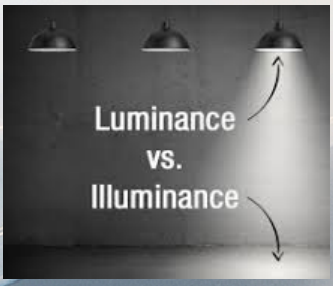
Illuminance vs Luminance

Illuminance = light received by a surface, not the light produced by a lamp.

Example:

  • A desk lit by a lamp with 500 lux → suitable for reading or working.
  • A hallway might only need 100–150 lux.

Luminance is the measure of how bright a surface appears to the human eye.

It describes the visible brightness emitted or reflected from a surface in a specific direction.

Luminance vs Illuminance